Specialist dyslexia assessments for children age 8 to 18, providing clear and comprehensive diagnostic reports
Full diagnostic reports
Friendly, experienced and fully qualified assessor (APC holder)
Guidance and recommendations for home, school, exams & workplace
Reports accepted for Disabled Living Allowance (DSA)

Do you suspect dyslexia?
Is your child experiencing difficulties with reading, writing, memory and/or organisation, a professional dyslexia assessment can provide clarity and a clear path forward.
You might be noticing difficulties with:
Reading - slow, effortful reading
Spelling - difficulties learning and retaining spellings
Writing - written work that does not always reflect knowledge, reluctance to write
Running out of time when completing work
Difficulties staying organised, remembering things
Anxiety around school or homework tasks
A formal diagnosis can help unlock the support and adjustments needed to succeed.
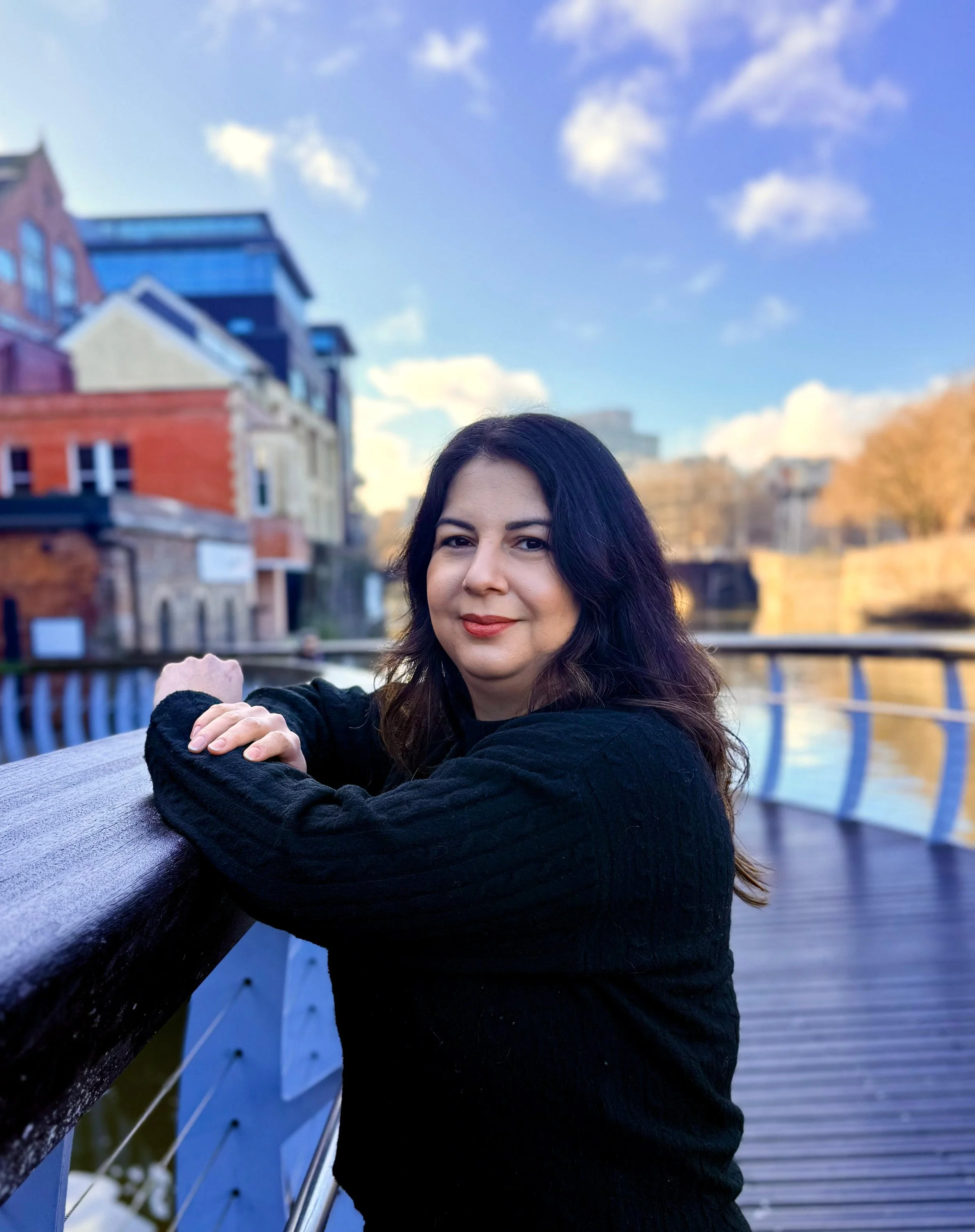
Professional Dyslexia Assessments in Cheltenham
I provide specialist dyslexia assessments for children and young people up to age 18 who are experiencing difficulties with reading, spelling, writing, or processing information.
My assessments are designed to give clear answers and practical next steps for parents and schools. Whether you are seeking a diagnosis for educational support, exam access arrangements, or a better understanding of learning needs, I’ll guide you through the process from start to finish.
In-person and remote options
I am based in Cheltenham and offer a range of services within schools and homes within Gloucestershire and surrounding areas.
Who I work with
Children from age 8+
Students- assessment for Disabled Students Allowance (DSA) and exam support
Dyslexia Screening and Assessment Services
Free consultation
Arrange a call to talk through the challenges your child is experiencing and discuss whether any further action may be helpful. There is no obligation to have a dyslexia screener or assessment with me following this consultation.
Dyslexia Screening
Dyslexia screening is a quick, focused assessment designed to identify potential for specific learning difficulties and highlight areas for further support and/or investigation. Suitable from ages 7 years. This screening helps parents and educators understand early sign of dyslexia and decide whether a full diagnostic assessment is needed.
Full Diagnostic Assessment
A full diagnostic assessment is a comprehensive evaluation of a child or young person’s current level of functioning, to understand their learning profile including their strengths and weaknesses, to identify whether there are any underlying specific learning difficulties, such as dyslexia, that may be affecting her progress; and to explore opportunities for support both at home and at school. This service is suitable for ages 8 years up to 19 years.
How the process works
The process typically involves:
Initial Enquiry – contact me to discuss concerns and suitability
Information Gathering:
Education Questionnaire - to gather a full educational history and current picture
Family Questionnaire - to father a health and developmental information and current picture
Detailed assessment of areas including:
Language and Reasoning
Attainment - literacy (and if required numeracy)
Speed of Processing
Memory and Attention
Full comprehensive assessment report that summarises the findings and provides detailed recommendations for support strategies, interventions and accommodations for both home and school contexts
Feedback Session
Why Choose Cheltenham Dyslexia Assessment
Specialist experience in child and adolescent assessments
Clear, detailed diagnostic reports for home and education use
Supportive, child-friendly assessment approach
Suitable for exam access arrangements and school support plans
Based in Cheltenham, supporting families across Gloucestershire
Professional service supported by a current Assessment Practising Certificate (APC) and full membership with the professional bodies
The Professional Association of Teachers of Students with Specific Learning Difficulties (PATOSS)
The British Dyslexia Association (BDA)
The British Psychological Society (BPS)
Fully insured
Enhanced DBS check registered on the update service.
Pricing
Dyslexia screening costs from £80. This includes a written summary of findings and recommended next steps.
Dyslexia assessments from £450 and includes:
Full diagnostic assessment
Comprehensive written report
Personalised recommendations
Opportunity to discuss report findings and outcomes
Common Signs of Dyslexia
Difficulties with phonological awareness (linking sounds to letters)
Slow, inaccurate or effortful reading
Poor spelling
Difficulties with memory or sequencing
Avoidance of reading or writing tasks
Difficulty organising written work
Difficulty processing information quickly
Frequently Asked Questions
-
Dyslexia assessment can be done from 8 years into adulthood. I assess children ages 8-18.
-
This can vary depending on the situation and needs of the child. Typically assessment takes 4 hours and can be completed in 1 session or 2 smaller sessions
-
A full diagnostic report can be quote a lengthy document and typically includes the following sections:
cover sheet,
background information,
test conditions,
cognitive profile,
attainment,
diagnostic conclusion,
recommendations,
appendices.
-
While a diagnostic report provides evidence of need, schools (following JCQ regulations) require evidence of the student’s "[normal way of working]" in the classroom. The report acts as supporting evidence to help the SENCo determine appropriate arrangements. It is best practice for assessors to work closely with the school to ensure report recommendations align with school support and exam accommodations.
-
Following an assessment you will receive a full report within 2-3 weeks with the opportunity to arrange a phone call or meeting to discuss the outcomes.
Take the Next Step
Get started today and book your dyslexia assessment or arrange a free consultation to discuss your needs